咨询与报价
EN
Cost for custom PCBs is complex and requires an in-depth understanding of technical specifications.
It is always a challenge for a PCB layout designer to balance with design and cost as the design choices will directly impact PCB Fabrication Quotes.
1. Substrate Materials Selection
The choice of PCB base material is the primary cost driver. A widely range of materials for basic reference, such as FR-4 standard, Aluminum or high-frequency laminations such as Rogers. While FR-4 PCBs are the standard, there are specialty materials that come with a premium.
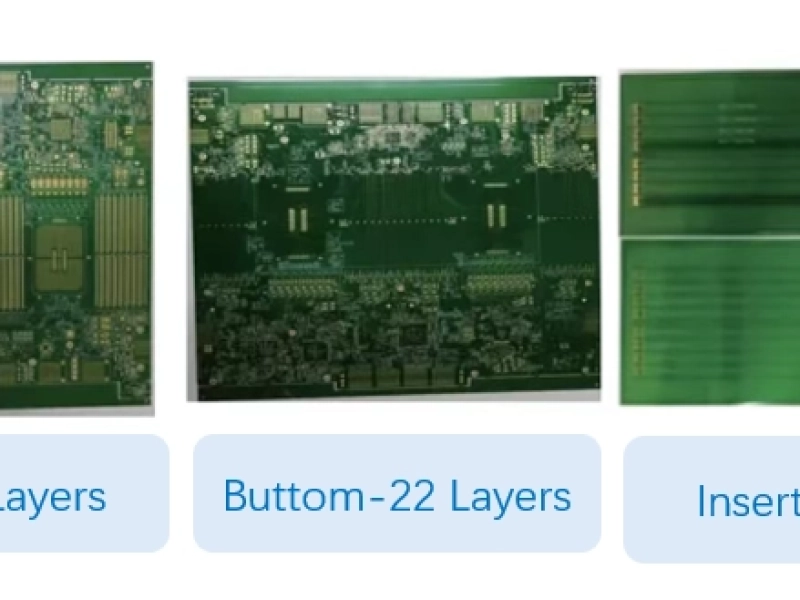
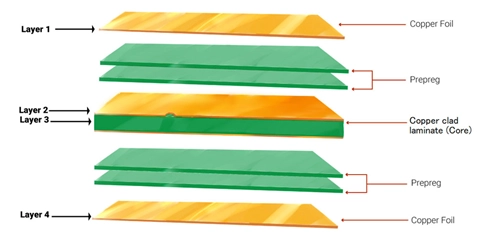
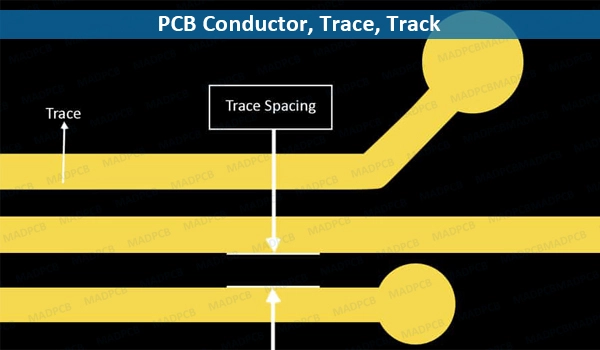
The cost of multi-layer PCBs increases with each additional layer. The additional drilling, lamination, and chemical processing are the reasons for this. The price per unit increases when moving from a 2-layer board to a 4-layer one. 3. Board Dimensions and Panelization PCB Price per Square Inch is influenced heavily by how your boards fit on a standard production board. Optimizing board sizes to maximize panels utilization will reduce waste and your manufacturing costs. 4. Minimum Trace Widths and Spacing High-end imaging equipment is required to produce fine-pitch PCB designs. (Traces below 5/5 mil). Cleanroom conditions are also more stringent. Due to the lower yield rates, you can expect a higher cost for PCB manufacturing if your design requires extreme precision. 2. Layer Count and Stackup Complicated
5. Surface Finish Options The PCB finish that you select will affect both the solderability and cost. Lead free HASL has the lowest cost. Electroless Nickel Immersion gold, on the other hand, is preferred by many for SMT components due to its oxidation resistance and flat surface. Learn more about Surface Finish Options (ENEPIG PCB Manufacturing KnownPCB) 6. Order volume / PCB Mass productions There is a huge price difference between prototyping compared to mass-production. The "economies-of-scale" benefit of large orders is that setup costs, such as tooling and photolithography, are spread across thousands of boards. This lowers the price of each board. 7. Advanced Drill Technology Complexity is added by incorporating HDI technology (High Density Interconnect,) or blind vias. This requires sequential lamination and a laser drill, which is significantly more expensive than through-hole drilling. 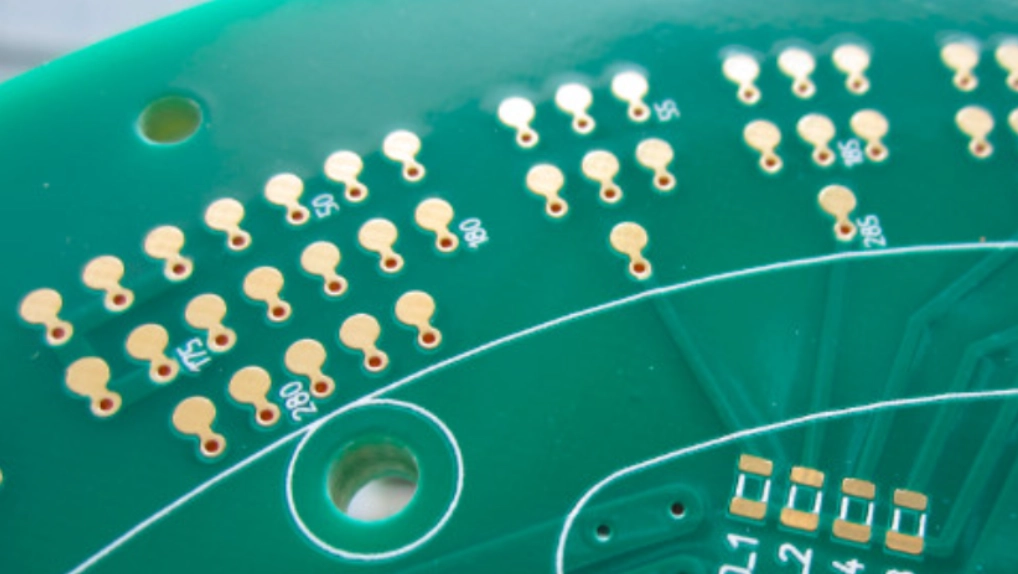
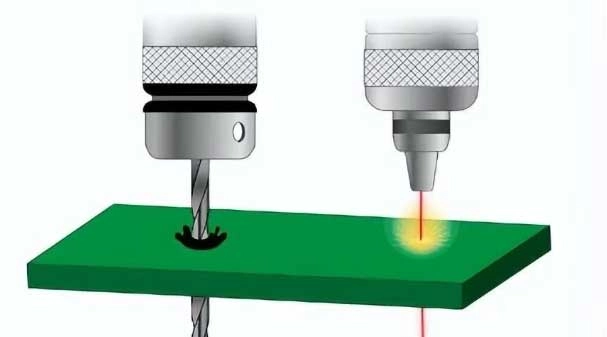
8. Fast Turnaround and Expedited Shipping You can expect to pay an "urgent fee" if you require fast-turn PCB Assembly. Standard lead times (5-10 business days are typical) are more cost-effective, while 24-hour turnaround is expensive.
9. Electrical Testing and Quality Assurance
PCB Assembly Price includes the standard Electrical Testing. However, special requirements such as Automated Optic Inspection (AOI), X-ray Inspection for BGA Components, or Custom Fixture Testing will increase the price.
10. Regulatory Compliance (RoHS/IPC standards)
Specific industry standards such as IPC class 3 in aerospace, or compliance with RoHS in environmental safety may require special materials and more stringent quality control processes. This can affect the final bill.
Get DFM Review (Free, 24h)
 | 下载我们的设计指南为了更好的PCB设计和制造 这些是设计师和工程师下载次数最多的设计指南:
|
经7个行业、4000多个客户项目验证
请通过 sales@knownpcb.com 联系我们,或在此处申请工程支持,或使用下方表格联系 KnownPCB。 | 立即咨询 |