咨询与报价
EN
PCB blistering is a plating-related surface defect in printed circuit board (PCBs) fabrication, characterized by localized separation of the copper layer from the substrate.
It typically originates during electroless copper deposition or electroplating in the PCB manufacturing process, where unstable surface preparation or bath chemistry weakens interfacial adhesion.
Micro-etching prepares the substrate for copper deposition. Inconsistent activation directly affects bonding strength.
Common issues include:
Over-etching that damages the substrate surface
Under-etching that reduces mechanical interlocking
Unstable bath temperature or chemistry concentration
Inconsistent dwell time between panels
Maintaining a controlled micro-etch window is critical for stable adhesion.
Electroless copper forms the conductive seed layer before electroplating. Deposit quality directly influences adhesion performance. Risk factors include: Excessive Cu²⁺ concentration Insufficient stabilizer control Temperature fluctuations Rough or internally stressed copper morphology Stable bath chemistry ensures consistent deposit structure.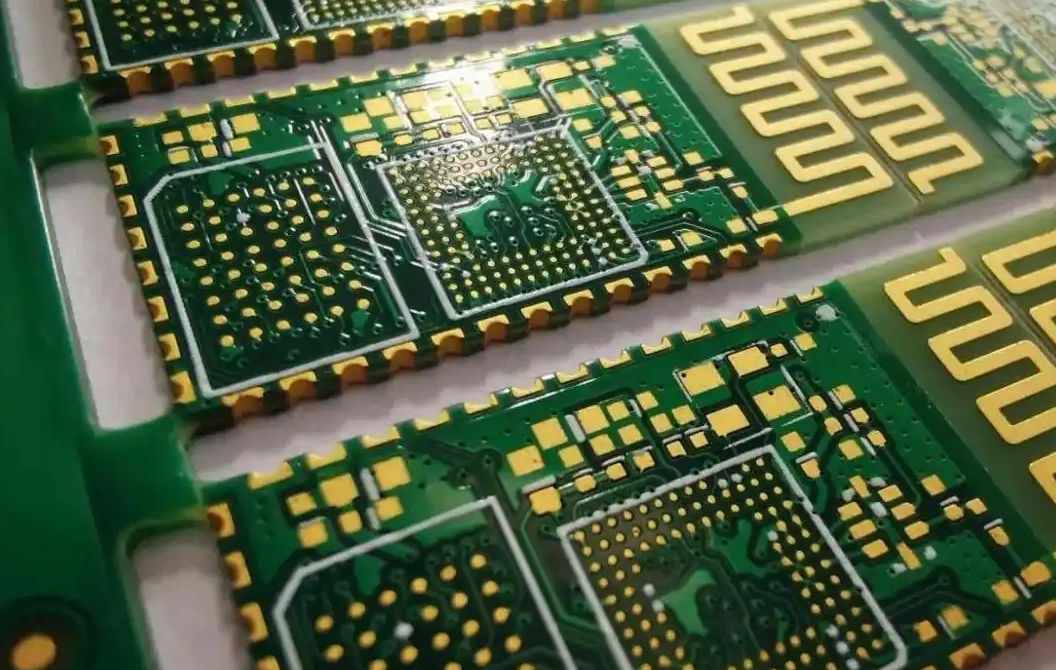
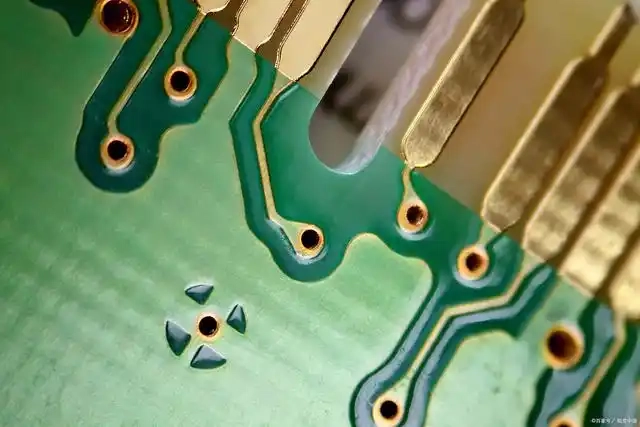
Electroless copper surfaces are prone to oxidation during storage or delays.
PCB blistering risk increases when:
Hold time between electroless plating and electroplating is extended
Environmental humidity is high
Oxide films are not adequately removed before plating
Minimizing exposure time helps preserve interfacial bonding strength.
Chemical contamination can interfere with copper deposition and reduce adhesion.
Common sources include:
Organic contamination (oil from automated lines)
Excess copper buildup in acid pre-dip tanks
Inadequate rinsing between process steps
Additive degradation in electroplating baths
Regular bath monitoring and filtration reduce instability.
Reworking defective copper layers without controlled procedures may damage the bonding interface.
Typical rework-related risks:
Incomplete stripping of defective copper
Excessive re-etching
Poor surface conditioning before redeposition
Standardized rework protocols are essential to prevent secondary blistering.
PCB blistering is primarily a plating-related adhesion defect caused by unstable surface preparation, bath imbalance, oxidation, or contamination during PCB manufacturing.
Consistent micro-etch control, stable electroless deposition, contamination prevention, and disciplined process monitoring significantly reduce blister formation.
Request for a tech support
 | 下载我们的设计指南为了更好的PCB设计和制造 这些是设计师和工程师下载次数最多的设计指南:
|
经7个行业、4000多个客户项目验证
请通过 sales@knownpcb.com 联系我们,或在此处申请工程支持,或使用下方表格联系 KnownPCB。 | 立即咨询 |